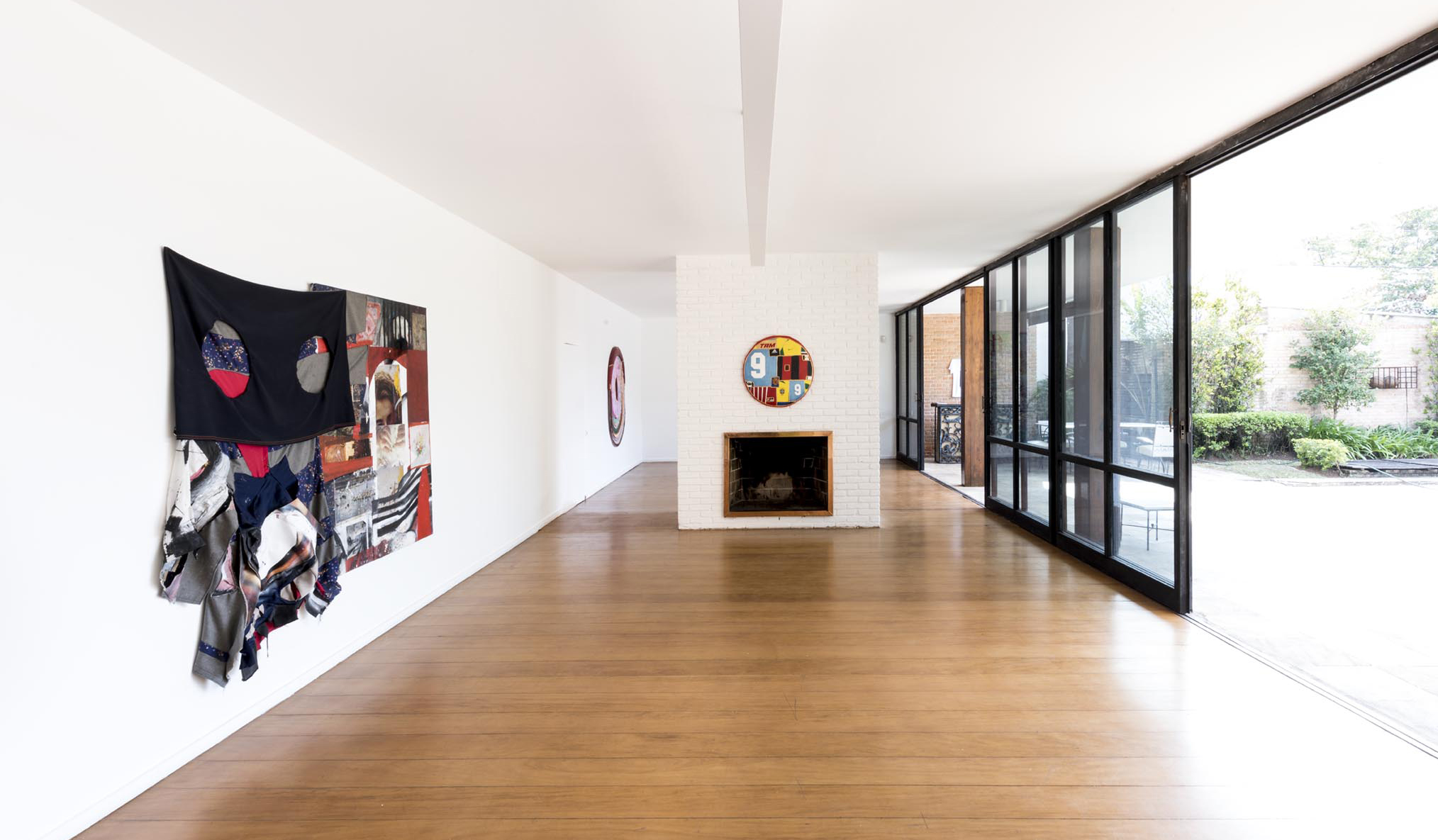
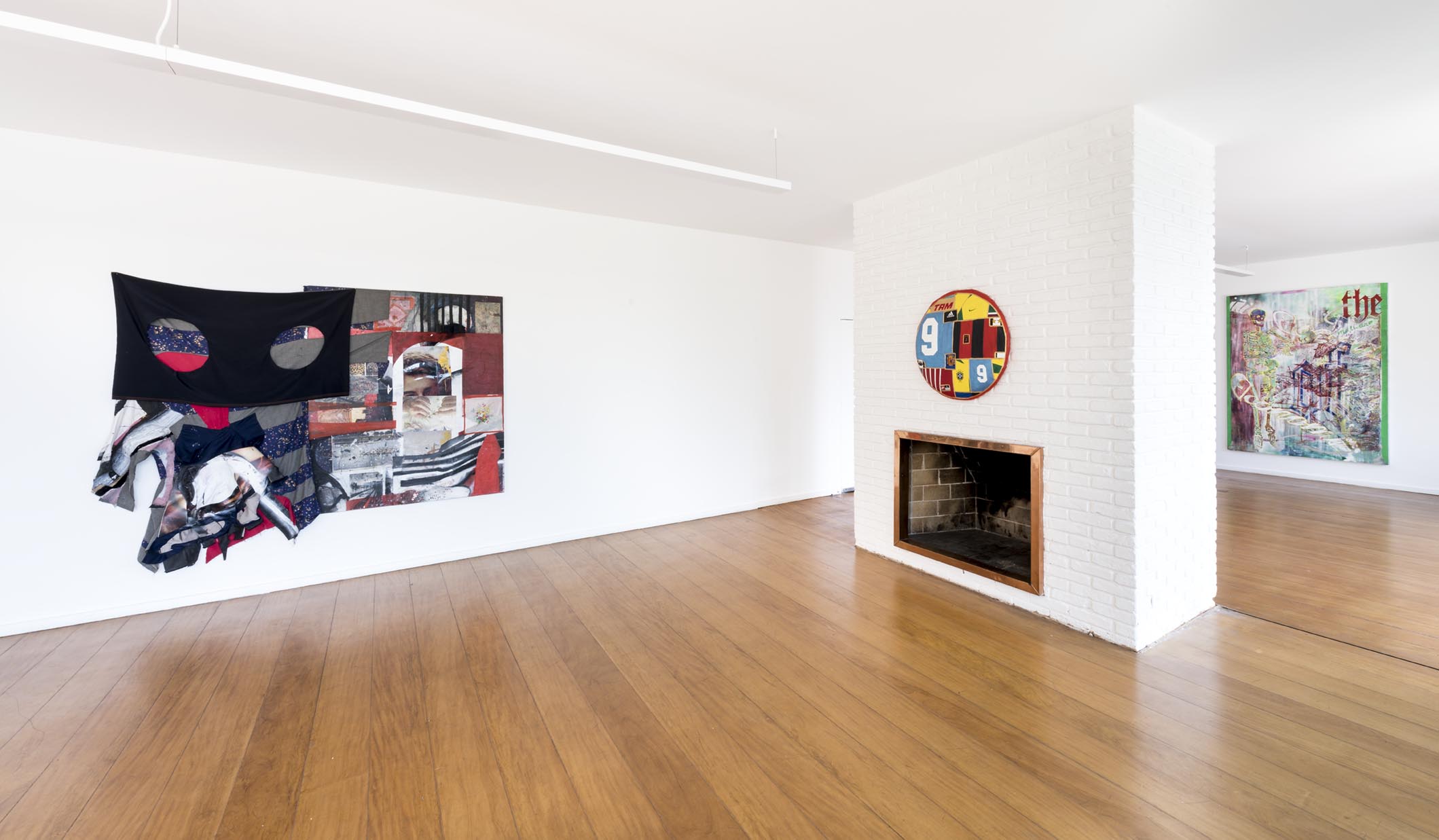
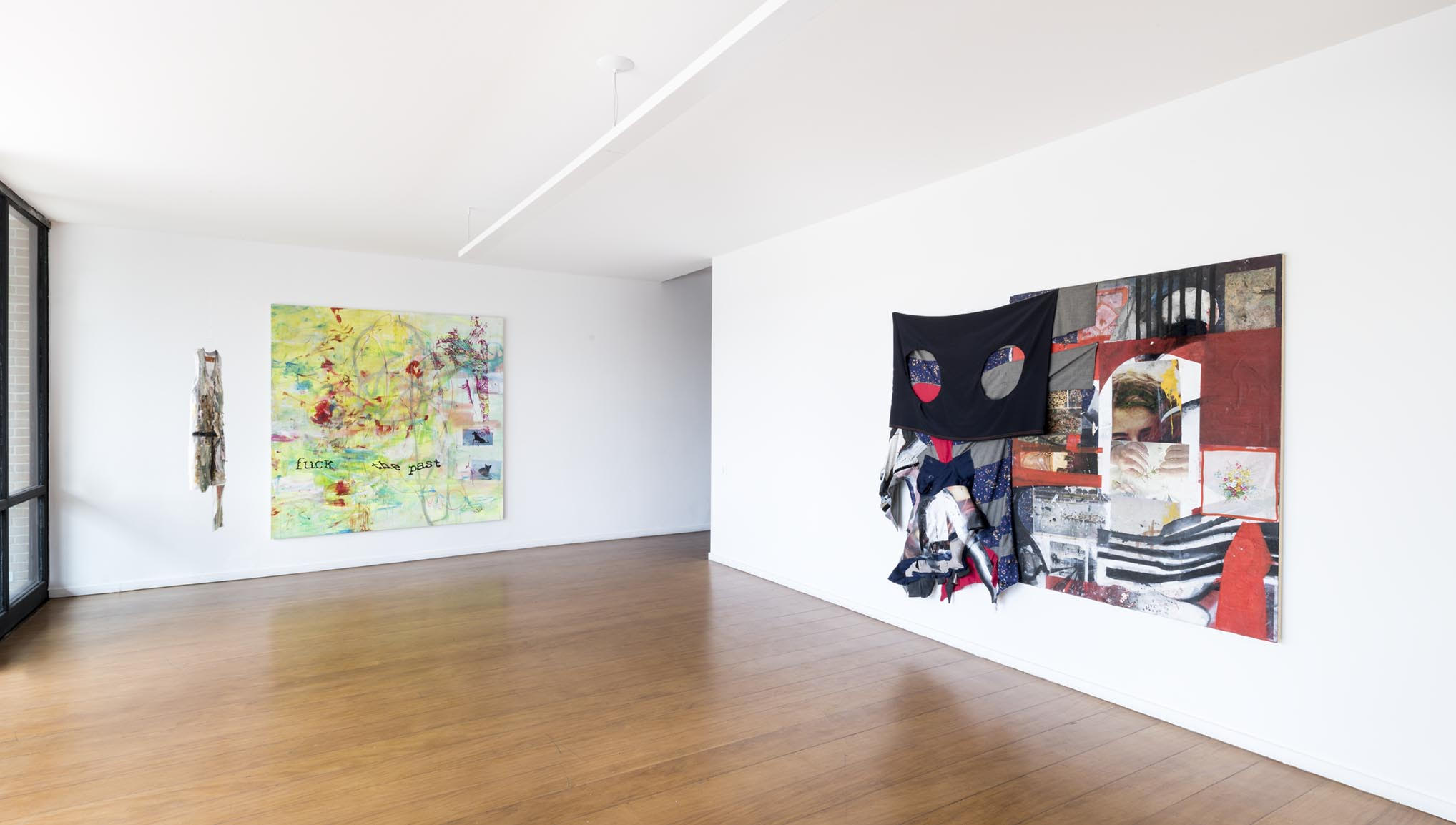
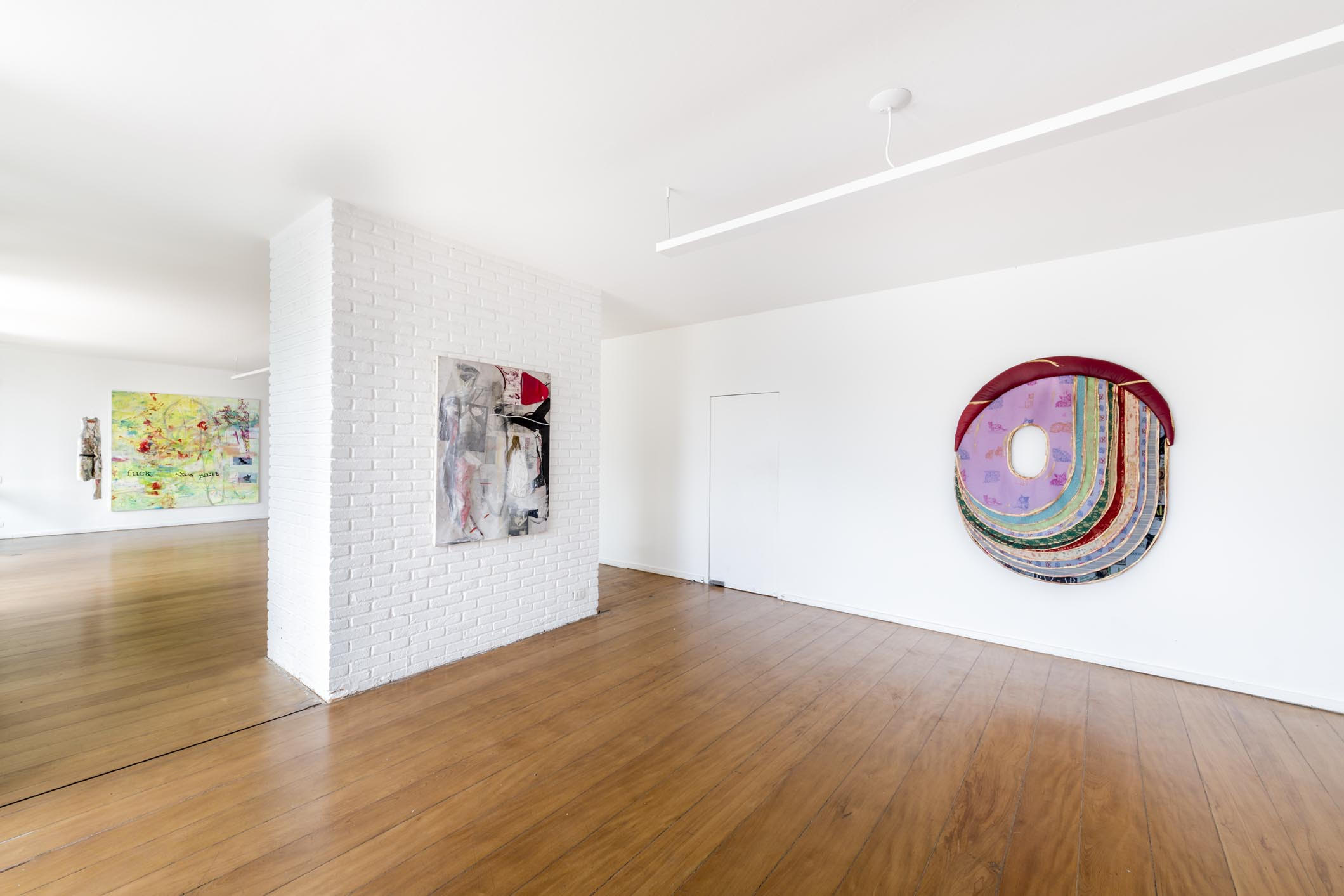
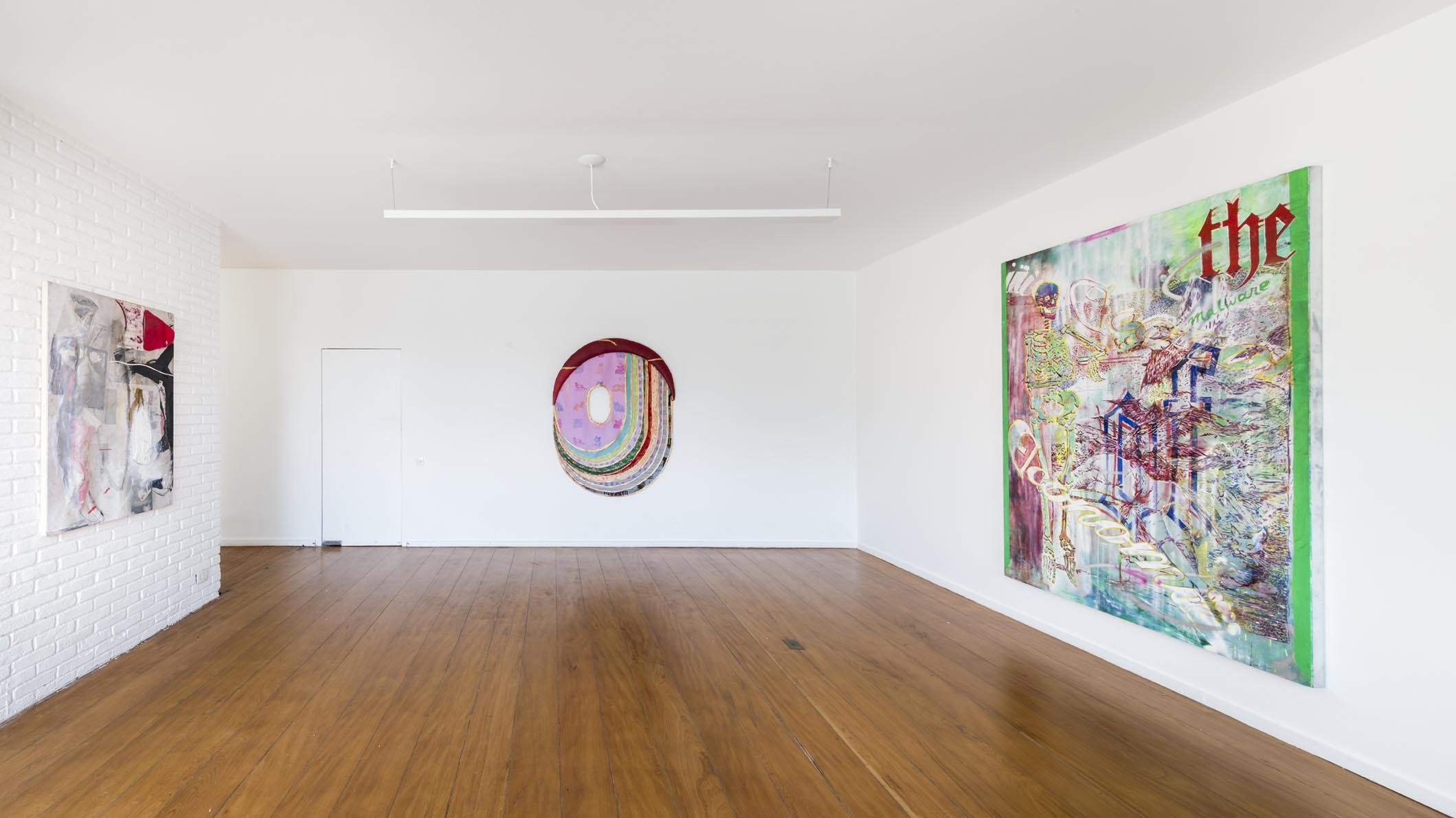
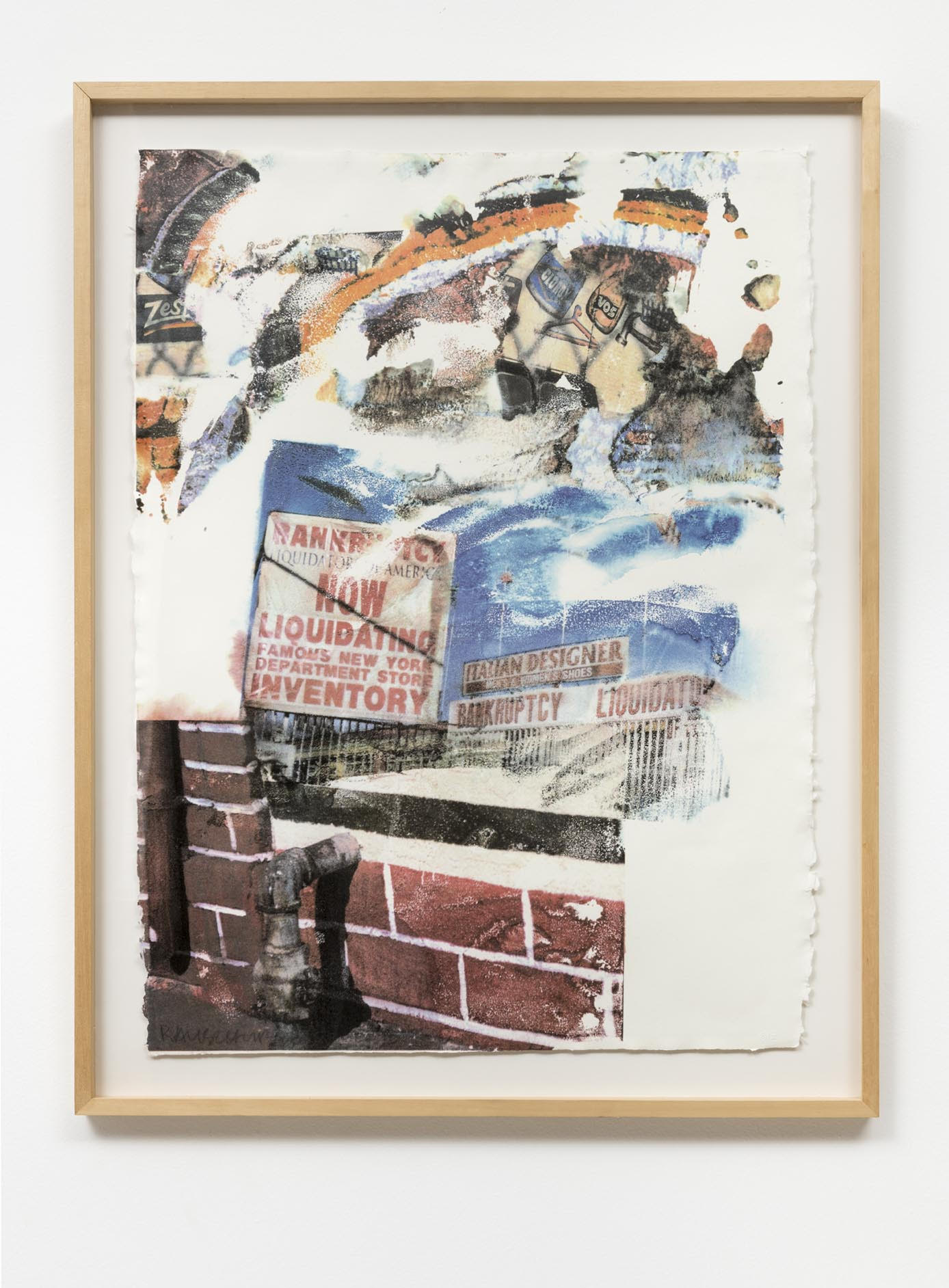
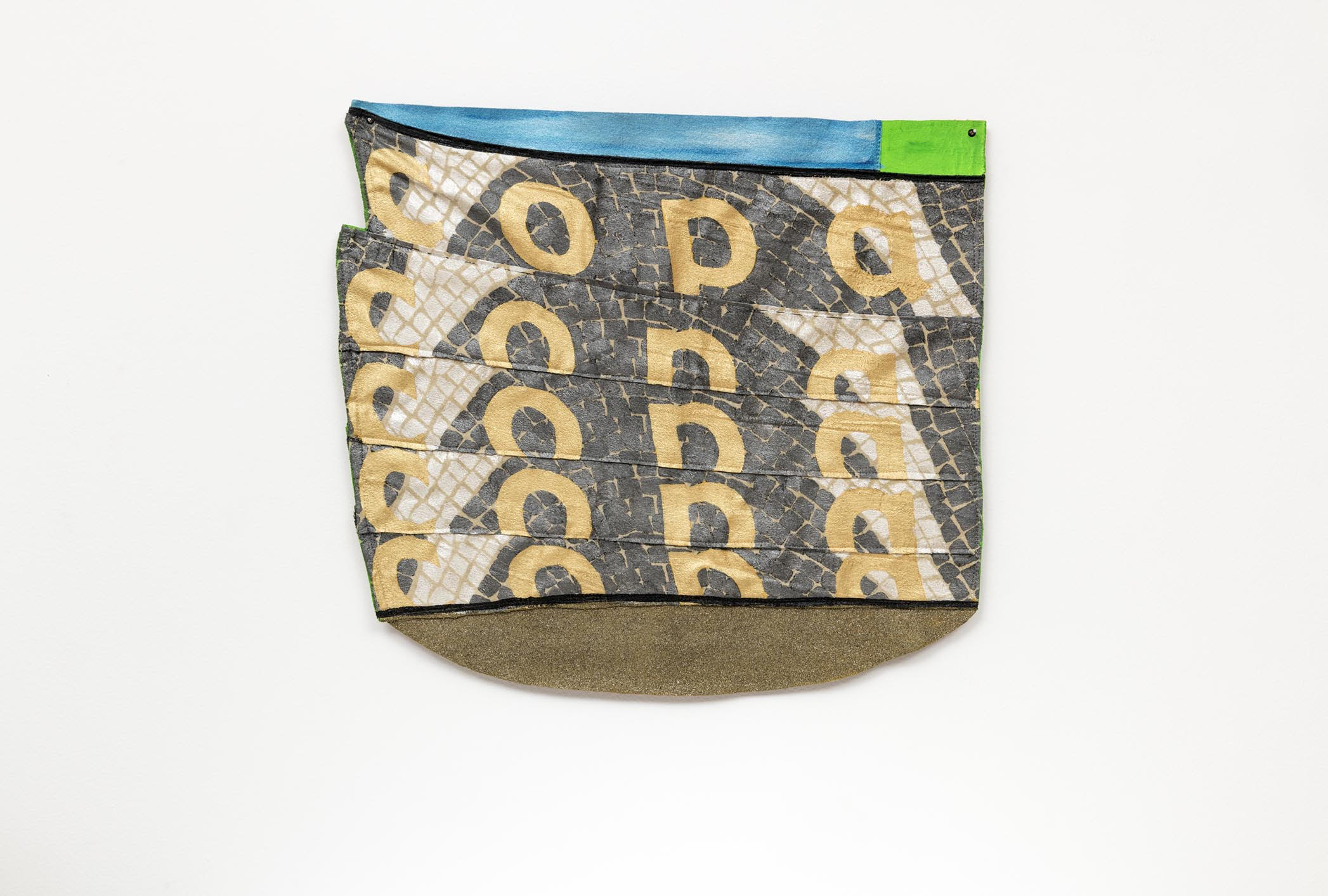
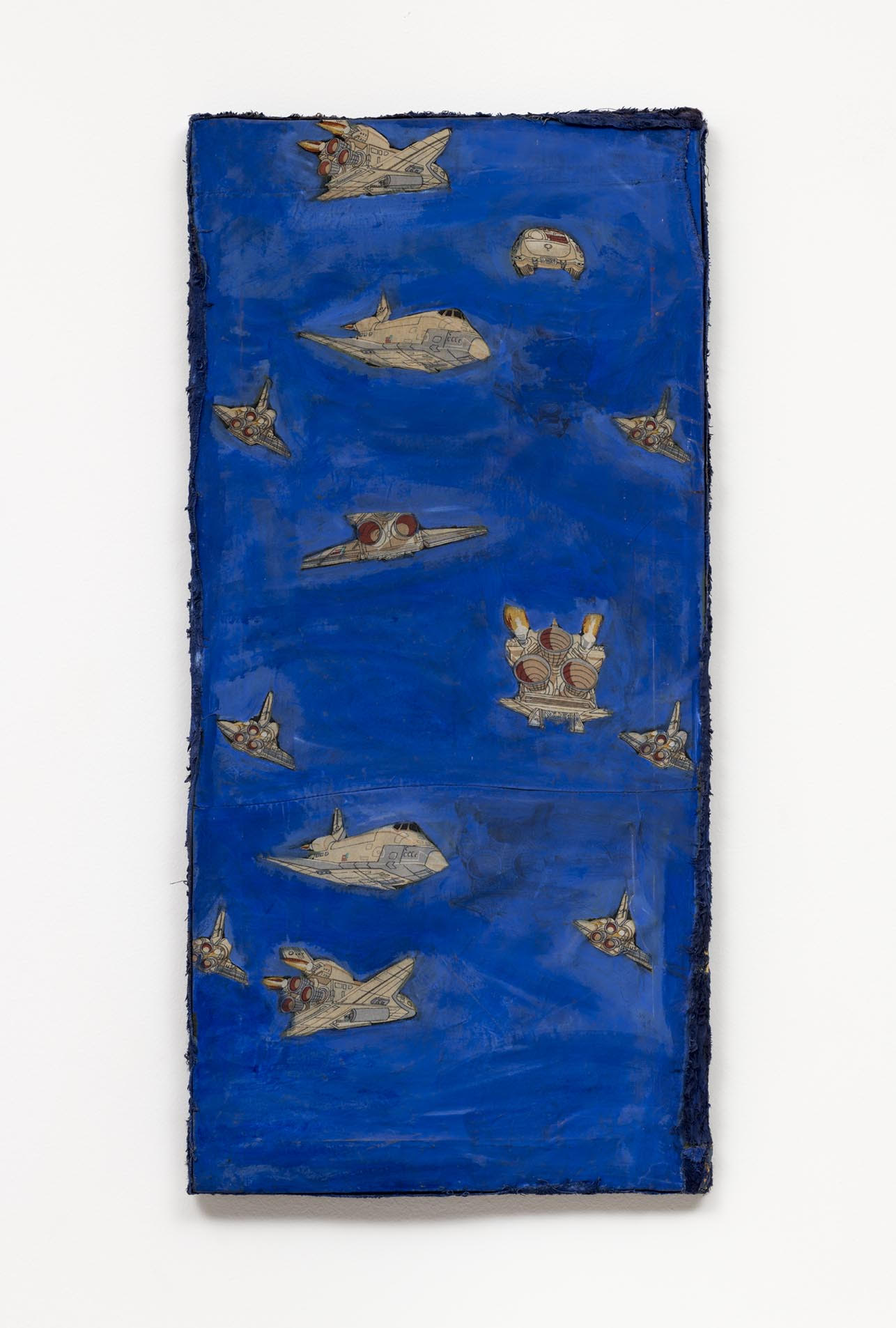
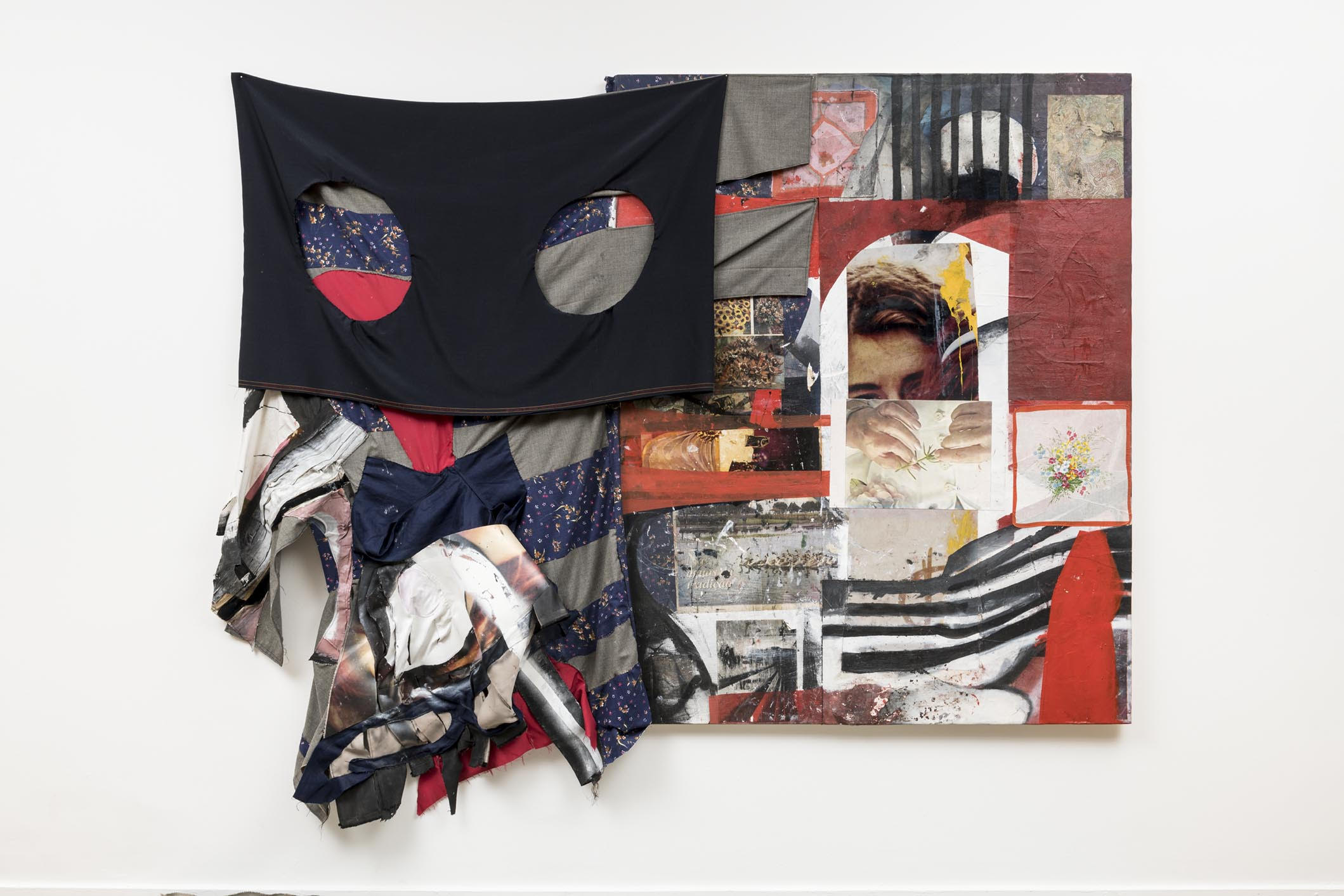
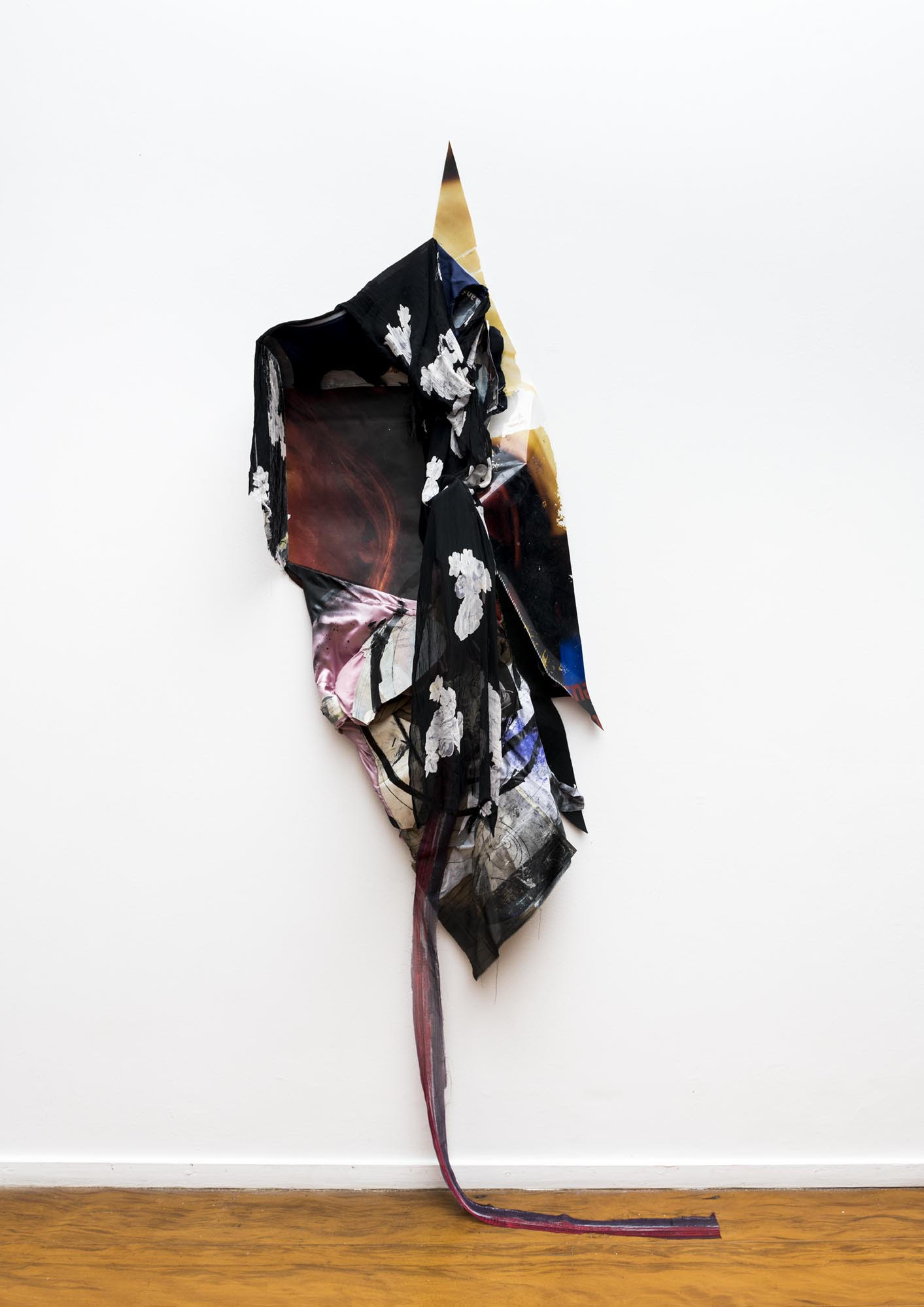
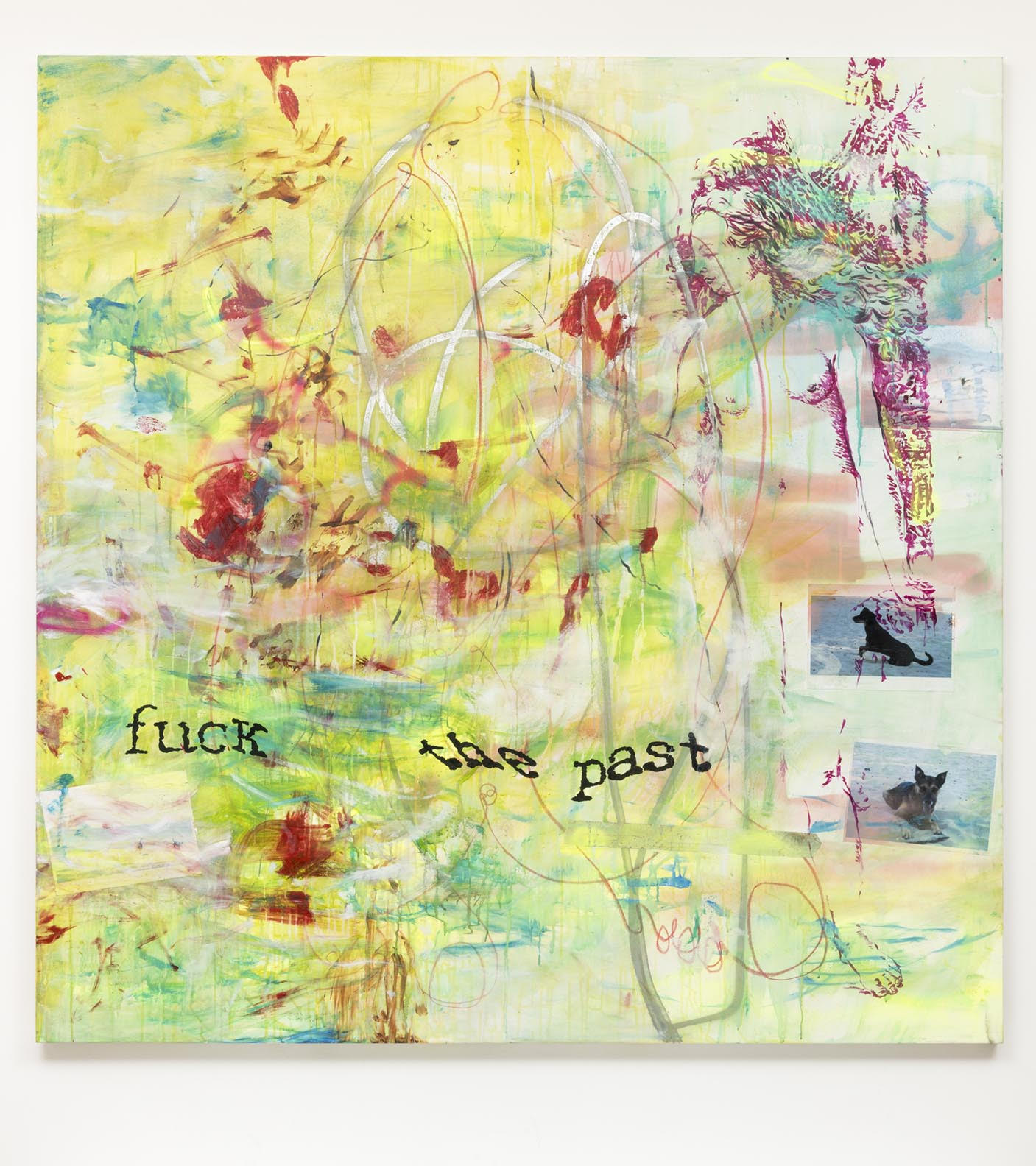
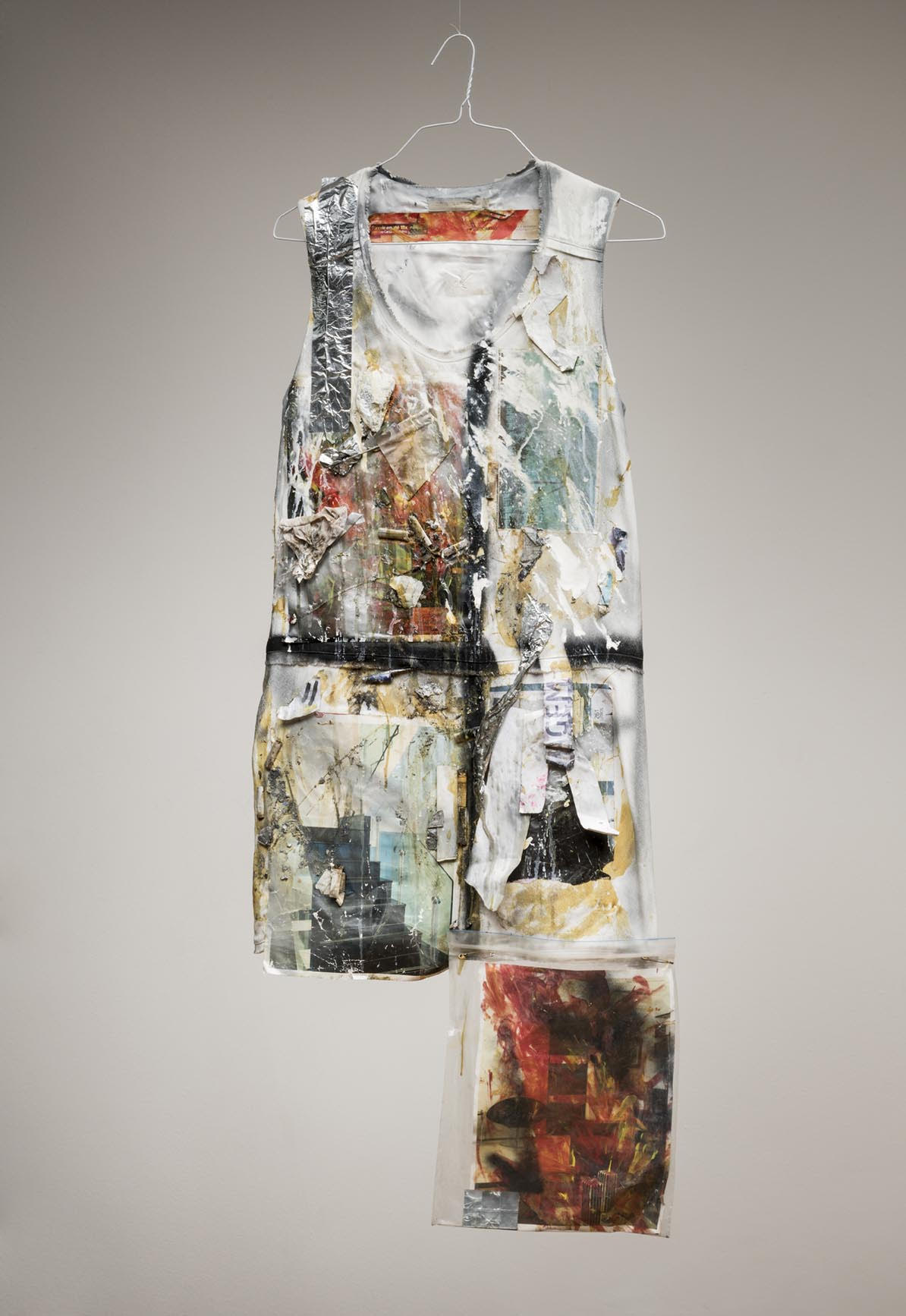
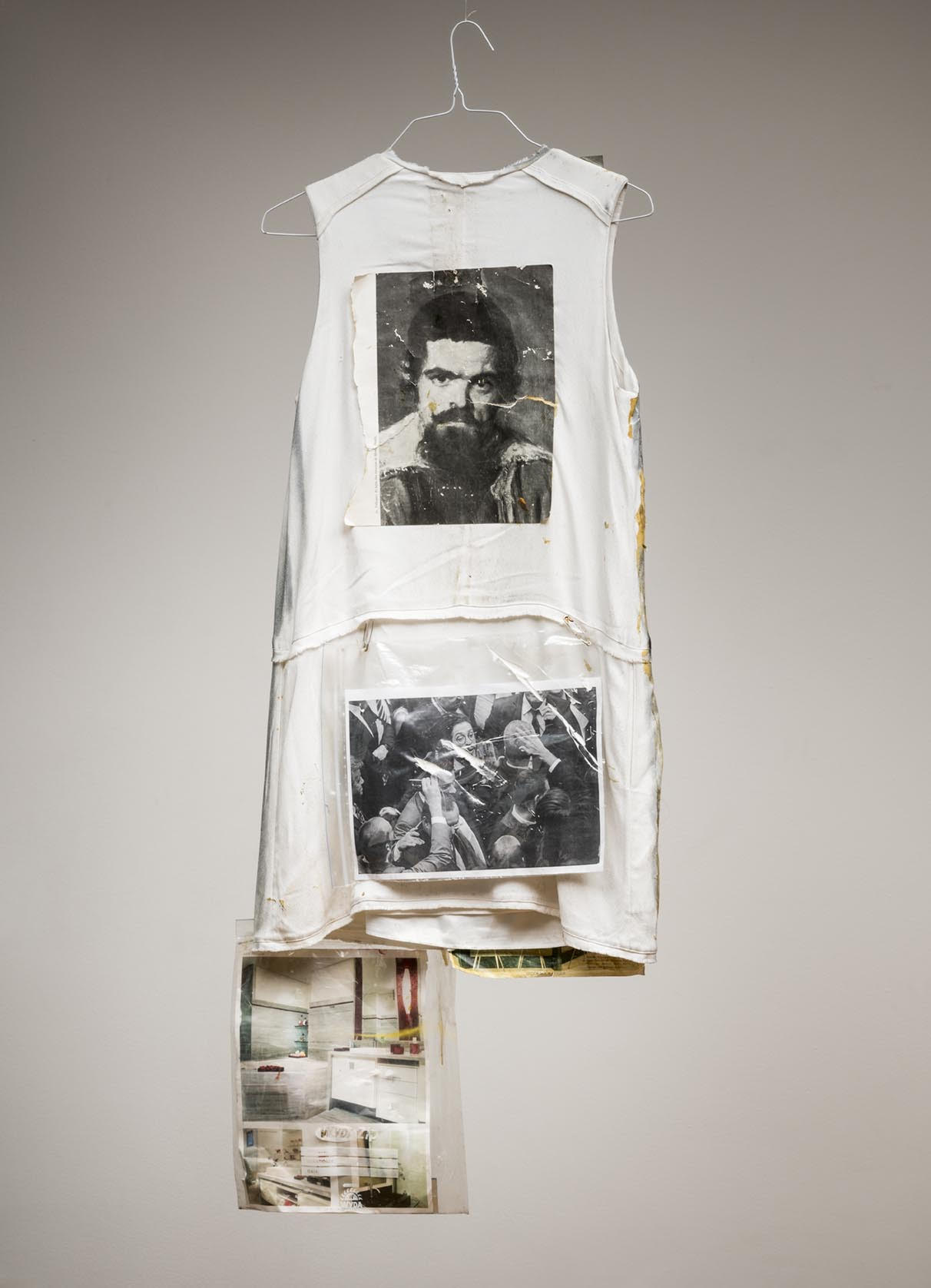
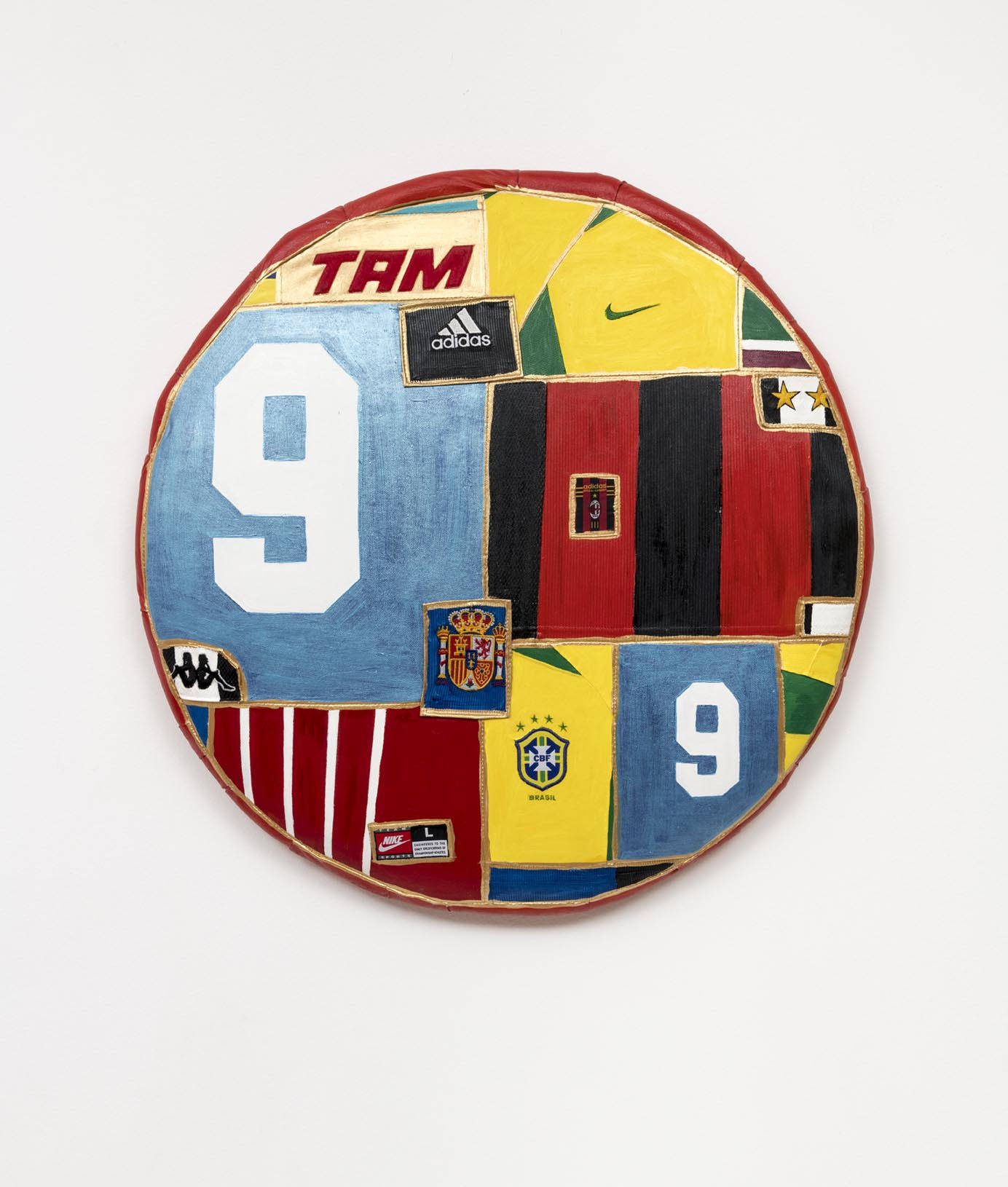
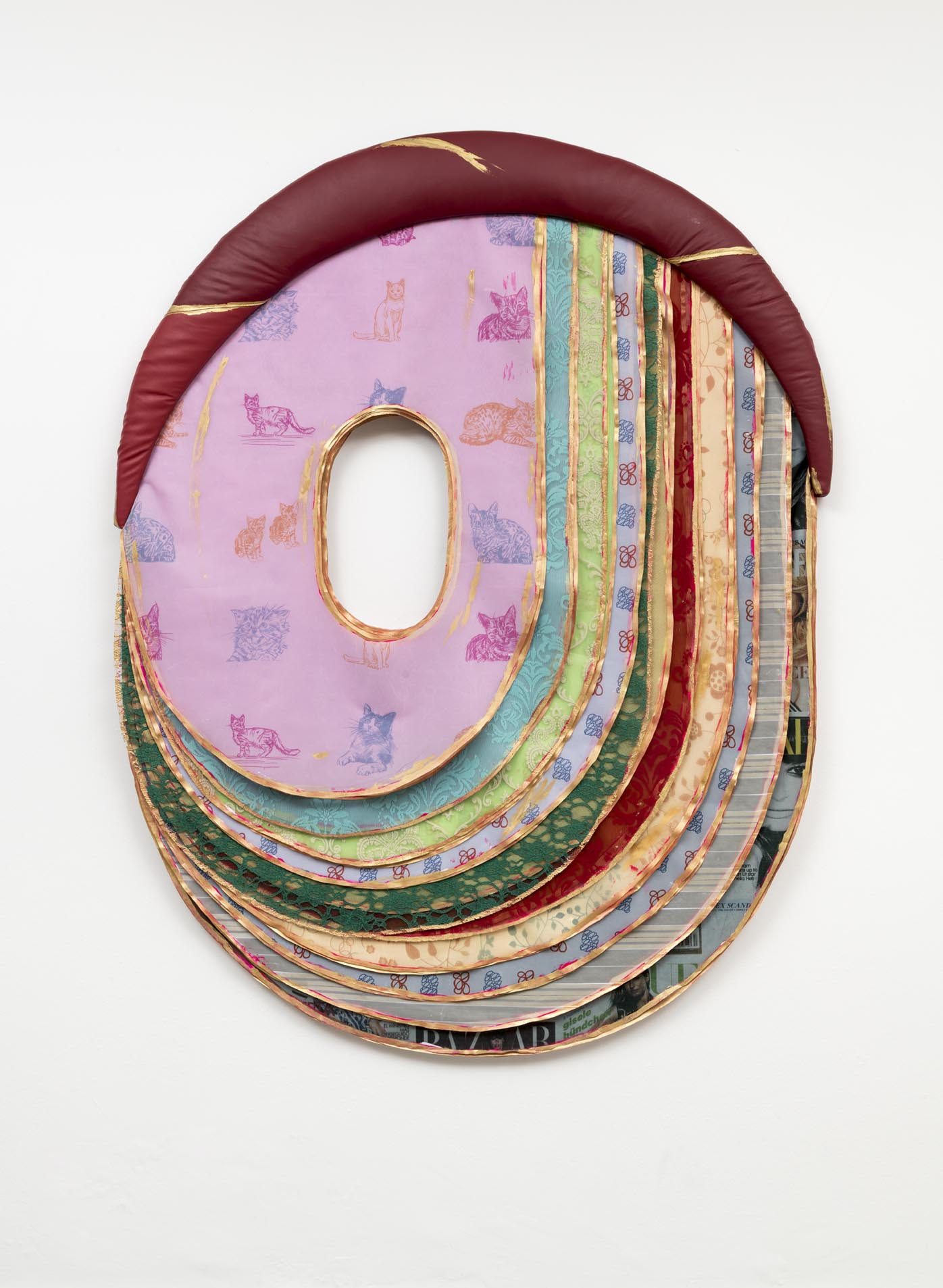
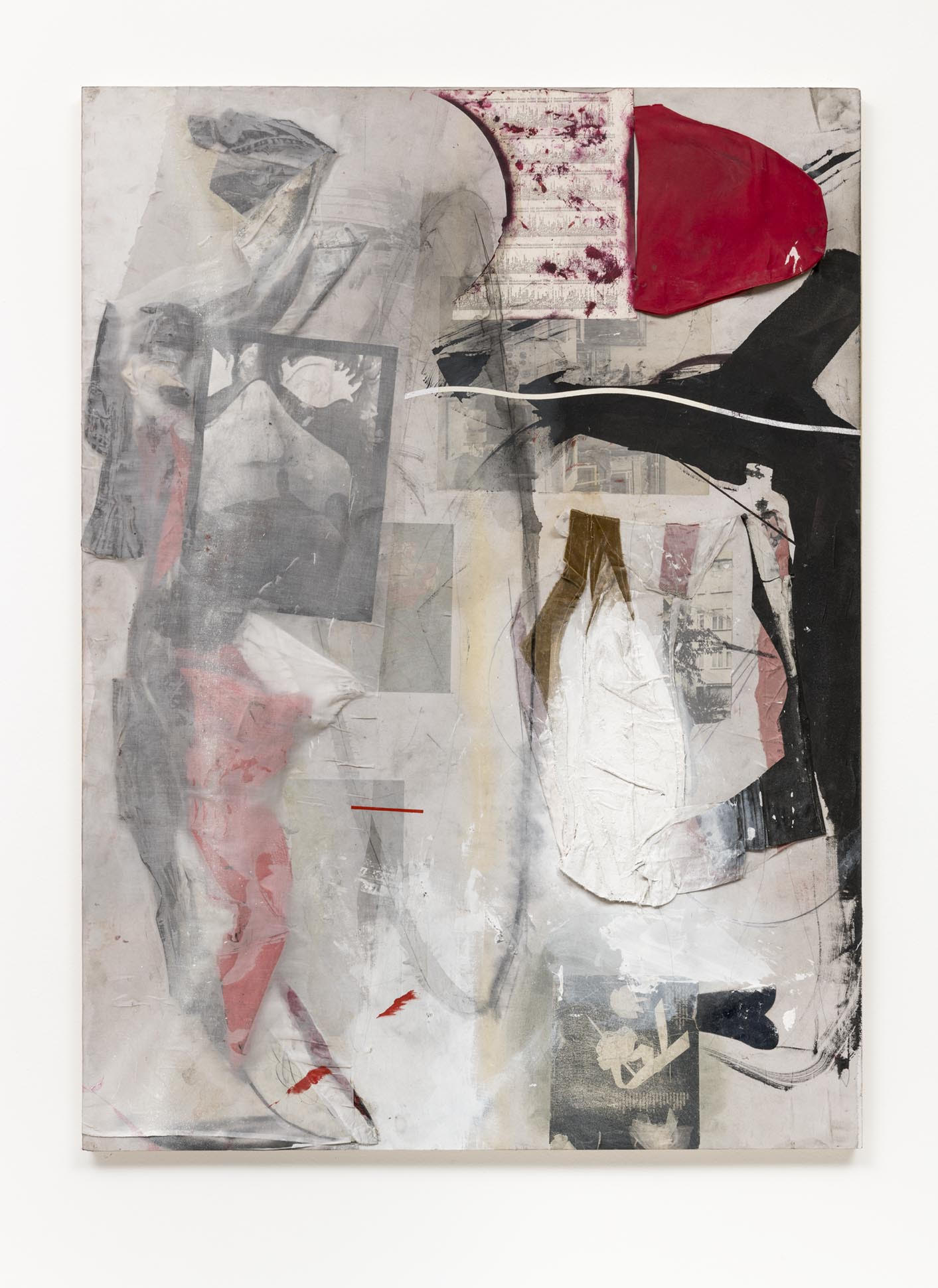
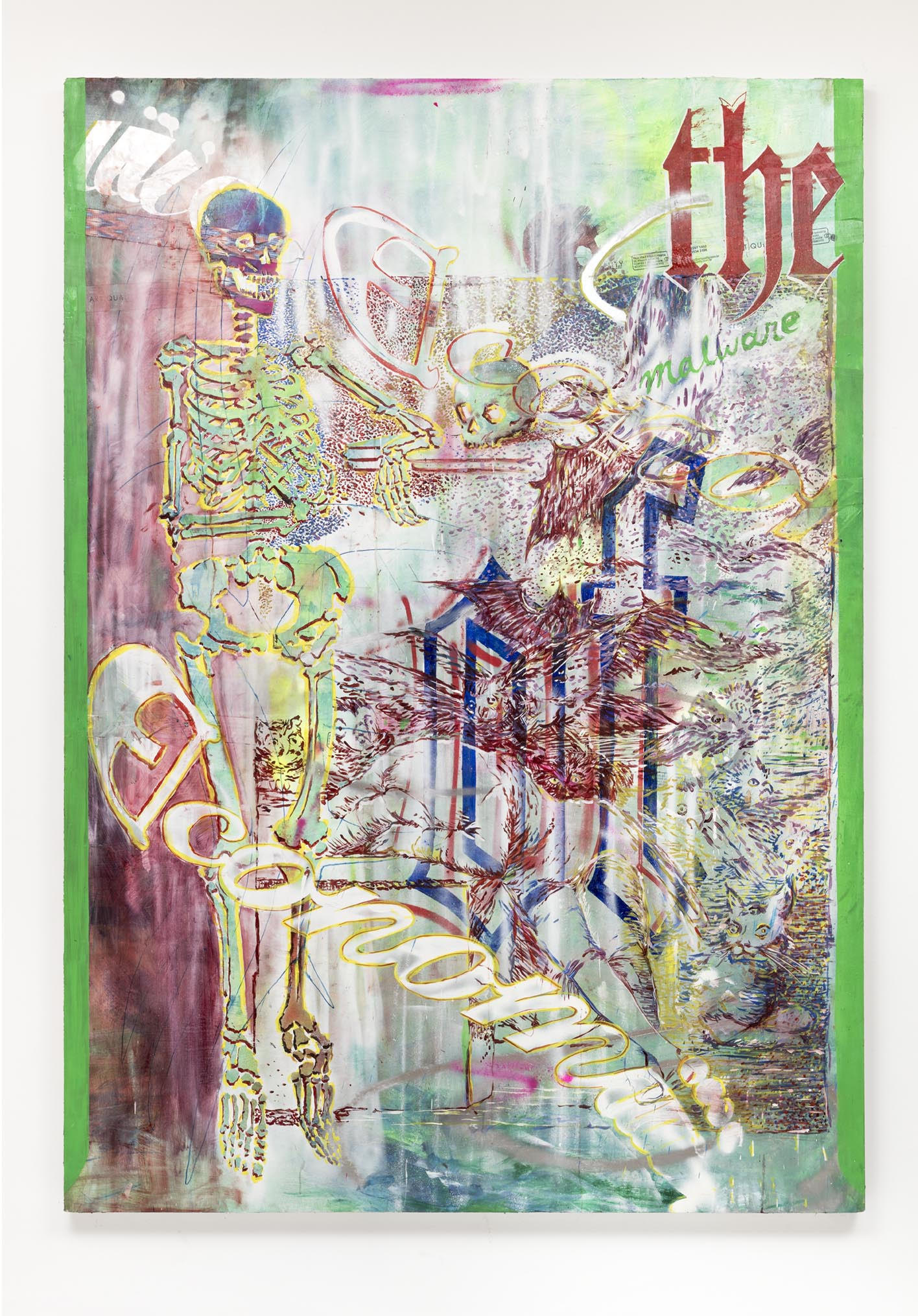
The appropriation of images is a practice that has intensified drastically in the last decades. Since then, incorporating images from diverse origins is one of the characteristics of contemporary production, often mixing different materials and techniques. The exhibition Transformers highlights the diverse usage of the image that is articulated by Leda Catunda, Arthur Chaves, Pedro França and Robert Rauschenberg.
In a moment where the circulation of images exceeds any established limits, the notion of authorship and originality is frayed. The idea of intellectual property is surpassed by a free usage of images. From the 1960s, the incorporation of images from the high and low culture began to populate the artistic panorama, narrowing the limits of “taste.”
The paint, which permeates with more or less intensity all the works, often serves to bridge the various imagery fields and materialities that have been almost abruptly approximated. That is, it also functions as an element that crosses the most different types of fabrics and materials as a sort of amalgamation of the composition.
Each artist of this exhibition articulates distinct spaces, in a more or less delimited field. In this way, ideas are rarely ordered linearly, and this kind of disorder is part of their constructive logic. Through ideas of sampling and détournement, the artists summon images of the most different natures, ranging from Albrecht Dürer (1471 – 1528) to images of kittens, spaceships quilts and masks of superheroes. It is symptomatic that these images occupy the same environment, reinforcing a flattening of everything that is constructed in the visual culture.